Downtown Providence Condo Living Guide
May 21, 2026
May 21, 2026
If you love the idea of a home where restaurants, riverfront walks, transit, and cultural events are part of your daily routine, downtown Providence condo living may be worth a closer look. At the same time, condo buying here is not just about square footage or views. You also need to understand building style, monthly fees, parking, and how the neighborhood works day to day. This guide will help you sort through those details so you can decide whether downtown Providence is the right fit for your lifestyle. Let’s dive in.
Downtown Providence is the city’s historic commercial core, and today it functions as a mixed-use district with business, cultural, residential, institutional, and public uses all layered together. That mix is a big part of the appeal. You are not just buying a unit, you are buying into a neighborhood that blends old architecture with an active urban routine.
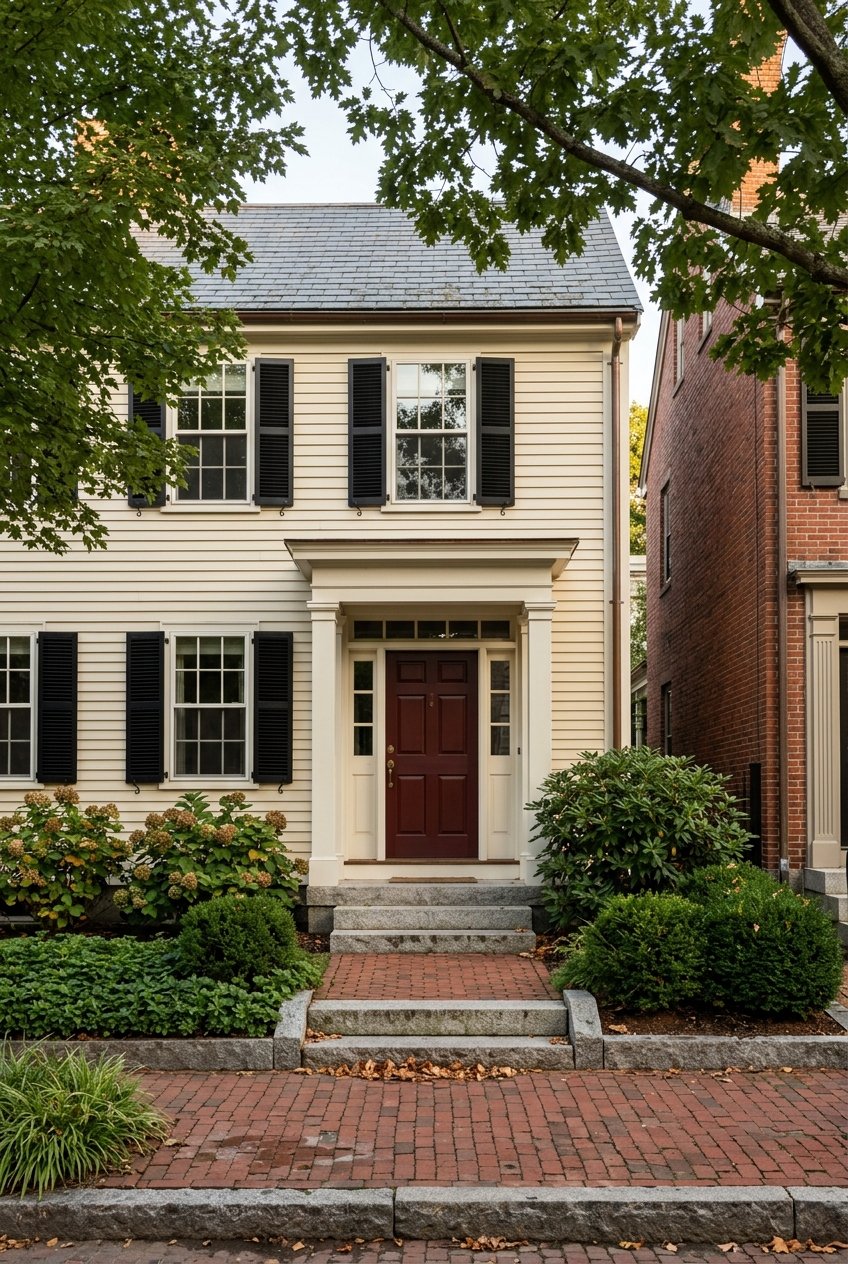
The area’s historic character also shapes the condo market in a very visible way. The downtown historic district includes buildings tied to Providence’s commercial growth from about 1800 to 1940, and many of today’s homes reflect that history through brick facades, loft layouts, and industrial details. If you are drawn to character and walkable city living, downtown has a different feel than a newer suburban condo community.
As of April 2026, Realtor.com showed 15 homes for sale in Downtown Providence, along with 162 rentals. It also reported a median listing price of $499,000, a median sold price of $593,500, 55 median days on market, and a median rent of $2,963. Redfin’s condo-focused data showed 10 condos for sale with a condo median listing price of $650,000.
Those figures are not directly comparable because the sites track different slices of the market, but the broad message is consistent. Inventory is limited, and condos often sit above the broader neighborhood median. That means buyers should be prepared for a market where options can be selective and pricing can vary a lot from one building to another.
Realtor.com described Downtown Providence as a balanced market in March 2026, with homes selling for an average of 3.51% below asking and a 96% sale-to-list ratio. In practical terms, that suggests room for strategy, but not a market where pricing and building quality stop mattering. Well-positioned units in desirable buildings can still draw strong interest.
One of the most important things to know about downtown Providence is that your budget may buy very different lifestyles depending on the building. Recent examples range from a 321-square-foot loft studio at 225 Weybosset that sold for $210,000 to top-floor units at The Residences around $1.0 million to $1.1 million. That is a very wide spread for one neighborhood.
The reason is simple. Downtown condos are not one uniform product type. A compact studio in a smaller loft building, a mid-range unit with parking, and a full-service high-rise residence with concierge support may all sit within the same general area while offering very different living experiences.
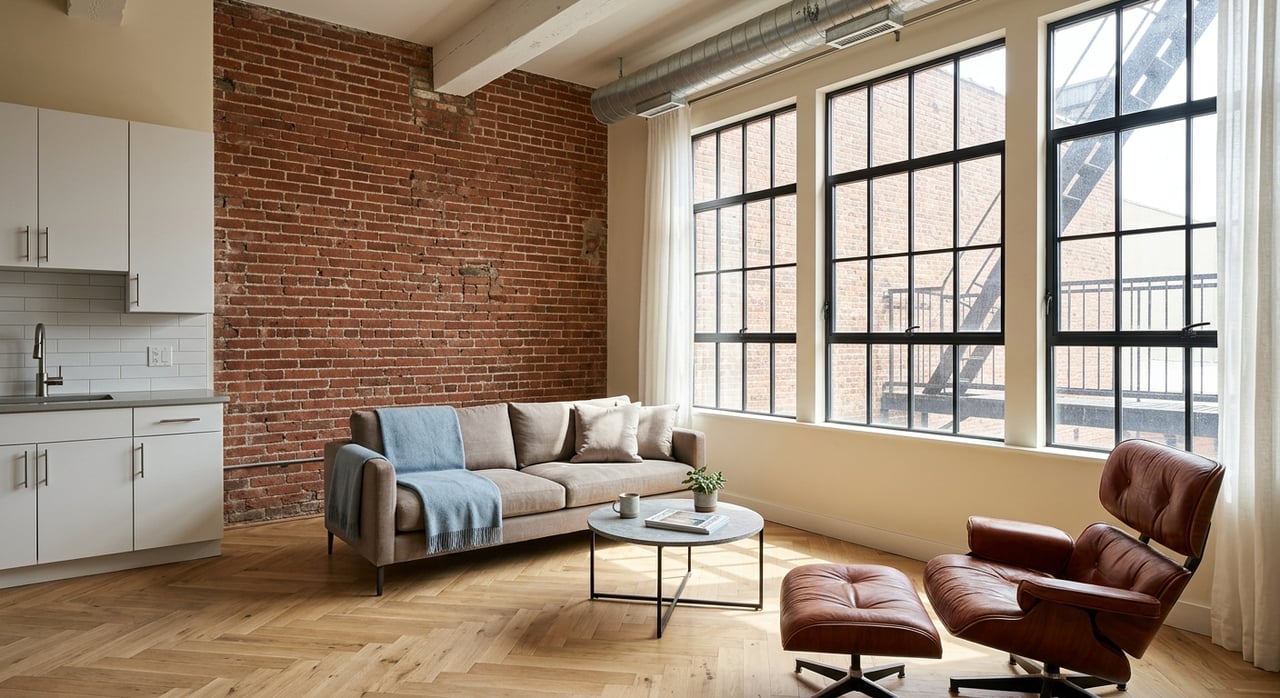
Historic loft conversions are one of downtown Providence’s signature housing types. These buildings often feature exposed brick, timber beams, high ceilings, and oversized windows. They tend to appeal to buyers who want texture, character, and a home that feels tied to the city’s history.
Davis Lofts is a strong example of this category, with preserved jewelry-building character and features like exposed brick, timber beams, soaring ceilings, and dedicated parking. If you appreciate architecture and original materials, this type of condo can feel especially distinctive.
Boutique condo buildings usually offer a smaller-scale ownership experience. They may have fewer units, a more intimate feel, and lower amenity packages than full-service towers. That can be a plus if you want character and location without paying for services you may not use often.
225 Weybosset St Condos @ PPAC Sq is one example, with a 1912 building, 16 units, loft-style construction, cathedral ceilings, and an arts-district location. For some buyers, that combination of smaller scale and central location hits the sweet spot.
If convenience is your top priority, full-service towers may be the most appealing option. These buildings can include garage parking, gym access, rooftop space, security features, storage, and concierge-style services. They often attract buyers who want a more lock-and-leave lifestyle.
Waterplace Residences at 200 Exchange St includes features such as water views, assigned garage parking, a private gym, and a rooftop terrace. The Residences Providence at 1 W Exchange St offers 24/7 concierge service, day porter services, storage, garage parking, and direct indoor access to Providence Place Mall and the Omni Hotel. These service levels can shape your day-to-day experience as much as the unit itself.
Monthly association fees are one of the biggest factors in downtown condo buying, and they can vary dramatically. Current examples range from $308 per month at the 16-unit 225 Weybosset loft building to $1,427 per month at Waterplace and $1,812 per month at The Residences. Other Waterplace listings show fees ranging from about $1,162 to $2,135 per month.
At first glance, those numbers can feel like a deal breaker. But the monthly fee only tells part of the story. In some downtown buildings, the fee may include items like gas, hot water, heat, water, trash, snow removal, insurance, maintenance, security, parking, storage, and recreation or concierge-style services.
That is why the lowest HOA fee is not always the best value. A higher fee may make sense if it replaces separate monthly costs you would otherwise pay on your own. The smarter question is whether the fee matches how you actually live.
When you compare condos, look beyond the headline number and ask:
In downtown Providence, building type often shapes your monthly budget as much as purchase price does. A thoughtful review here can protect you from surprises later.
For buyers who want a car-light lifestyle, downtown Providence has real advantages. Providence Station is located downtown and connects to both MBTA and RIPTA service. Amtrak also serves Providence with Acela and Northeast Regional service, including direct connections to Boston, New York, Philadelphia, Baltimore, and Washington, DC.
That kind of access matters if you commute, travel often, or simply want the flexibility of regional rail close to home. For some buyers, being able to reach a station on foot is one of the strongest arguments for buying downtown rather than in a more car-dependent area.
RIPTA’s Downtown Transit Connector adds another layer of convenience. The service runs every five minutes in each direction between Providence Station and the Hospital District, with stops across the Hospital District, Jewelry District, Downcity, and Capital Center. If your daily routine includes work, appointments, or regular movement within the urban core, that can be a meaningful lifestyle benefit.
Even if you plan to walk or use transit often, parking should be part of your condo search. The city reports that Downtown and the Jewelry District have more than 2,200 metered spots, along with many garages and lots within walking distance. That gives residents and guests options, but it does not mean parking is effortless.
The city also requires an overnight permit for on-street parking from 2:00 a.m. to 5:00 a.m. If you own a car, this is one reason deeded, assigned, or garage parking can be especially valuable. Before you make an offer, confirm exactly what parking rights come with the unit.
Condo living downtown is not only about convenience. It is also about access to experiences that can become part of your normal week. The Riverwalk and Waterplace Park help define that lifestyle, with the city highlighting WaterFire, gondola tours, Providence Flea, and ongoing riverfront restoration.
For the right buyer, that creates everyday value. Instead of planning around a destination, you can step outside and be close to events, public spaces, and cultural activity. If you enjoy being near arts venues, riverfront walks, and the energy of the city center, downtown offers a lifestyle that many buyers find hard to replicate elsewhere.
Downtown Providence is often a strong fit if you want:
It may be a weaker fit if your top priority is the lowest possible monthly carrying cost or easy street parking. In this market, buyers often trade higher HOA fees for convenience, parking, service, and security. Whether that trade-off feels worthwhile depends on your routine and priorities.
Before you move forward on a downtown condo, focus on the details that affect your daily life most. A beautiful kitchen or skyline view matters, but so do the less glamorous parts of ownership. Clear answers now can save you stress later.
Ask these questions as you compare options:
In downtown Providence, the building often shapes the ownership experience as much as the location itself. That is why the best condo search is not only about finding the right neighborhood. It is also about finding the right building within that neighborhood.
If you are considering condo living in downtown Providence, it helps to have a local advisor who can look beyond the photos and help you weigh value, building differences, and day-to-day fit. If you want thoughtful guidance as you explore your options, connect with Christina Rosciti.
Stay up to date on the latest real estate trends.
Whether you have a real estate question, you're thinking about making a move, or you just want to catch up, I'd love to hear from you.