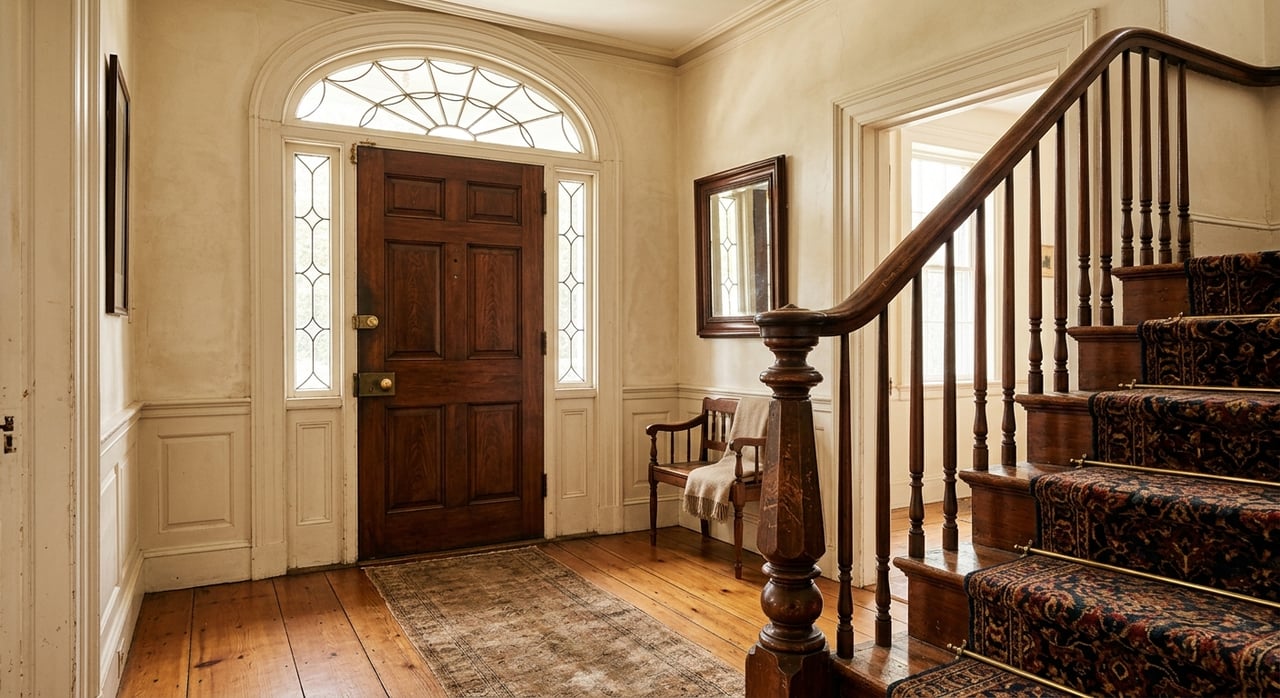
Selling A Historic Home On College Hill
July 23, 2026
July 23, 2026
If you own a historic home on College Hill, you are not just selling square footage. You are selling craftsmanship, context, and a piece of Providence history. That can feel exciting, but it also raises real questions about pricing, prep, and what buyers will expect. In this guide, you’ll learn how to position your home thoughtfully, avoid common pre-listing mistakes, and market what makes your property truly stand out. Let’s dive in.
College Hill holds a unique place in Providence. City and preservation sources describe it as the site of Providence’s first permanent colonial settlement, home to Brown University and RISD, and the setting for Benefit Street, one of the city’s best-known historic corridors. The neighborhood is also recognized as a National Historic Landmark district and sits within Providence’s local historic district system.
That history shapes buyer expectations. People drawn to College Hill are often looking for more than a move-in-ready house with generic updates. They want original character, architectural integrity, and a home that still feels connected to its setting.
The neighborhood’s housing stock adds to that appeal. College Hill includes a broad mix of architecture, from early colonial homes to early 20th-century three-family properties, along with Federal, Georgian, Victorian, Queen Anne, and townhouse forms. Because of that variety, your home should be marketed as an individual property with its own story, not as a simple comparison to the house down the street.
Historic homes sell best when the presentation feels specific and grounded. On College Hill, provenance and documentation often carry more weight than broad luxury language. Buyers want to know what is original, what has been restored, and what functions well for modern living.
Start with the basics of your home’s story. That may include the approximate age of the property, notable architectural details, past restoration work, and any improvements that respected the home’s original character. Even small details can strengthen buyer confidence when they help explain how the house has been cared for over time.
If you have old photographs, prior approvals, written specifications, or records of exterior work, keep them organized. In a historic neighborhood, that information supports both credibility and value. It can also help answer buyer questions quickly during the listing process.
One of the biggest points of confusion for sellers is the difference between historic recognition and local review. A home’s National Register or National Historic Landmark status does not by itself restrict what a private owner may do with the property. In practice, for College Hill sellers, the local Providence historic district rules are what matter most for exterior work.
Providence’s Historic District Commission requires a Certificate of Appropriateness for exterior work that affects appearance. That includes construction, alteration, repair, moving, demolition, and signage. Exterior building permits in local historic districts cannot be issued without that approval.
This matters if you are planning work right before listing. A rushed exterior project can delay your timeline if it requires review. It can also create concern for buyers if work appears incomplete or inconsistent with the home’s historic features.
If you are thinking about pre-listing improvements, timing matters. Providence Historic District Commission rules call for most applications to be filed at least 12 calendar days before the regular meeting. Demolition or economic-hardship applications require a longer filing window of 30 to 45 days before the meeting.
Not every project goes through the same process. Many routine repairs and minor projects are generally reviewed in-house by staff, which is faster than a full public hearing. Major alterations, new construction, demolition, and moving structures are typically reviewed at a public hearing.
For sellers, the takeaway is simple. Before you commit to exterior work, confirm whether it is likely to be handled administratively or whether it may require a hearing. That step can protect your listing timeline and help you avoid unnecessary stress.
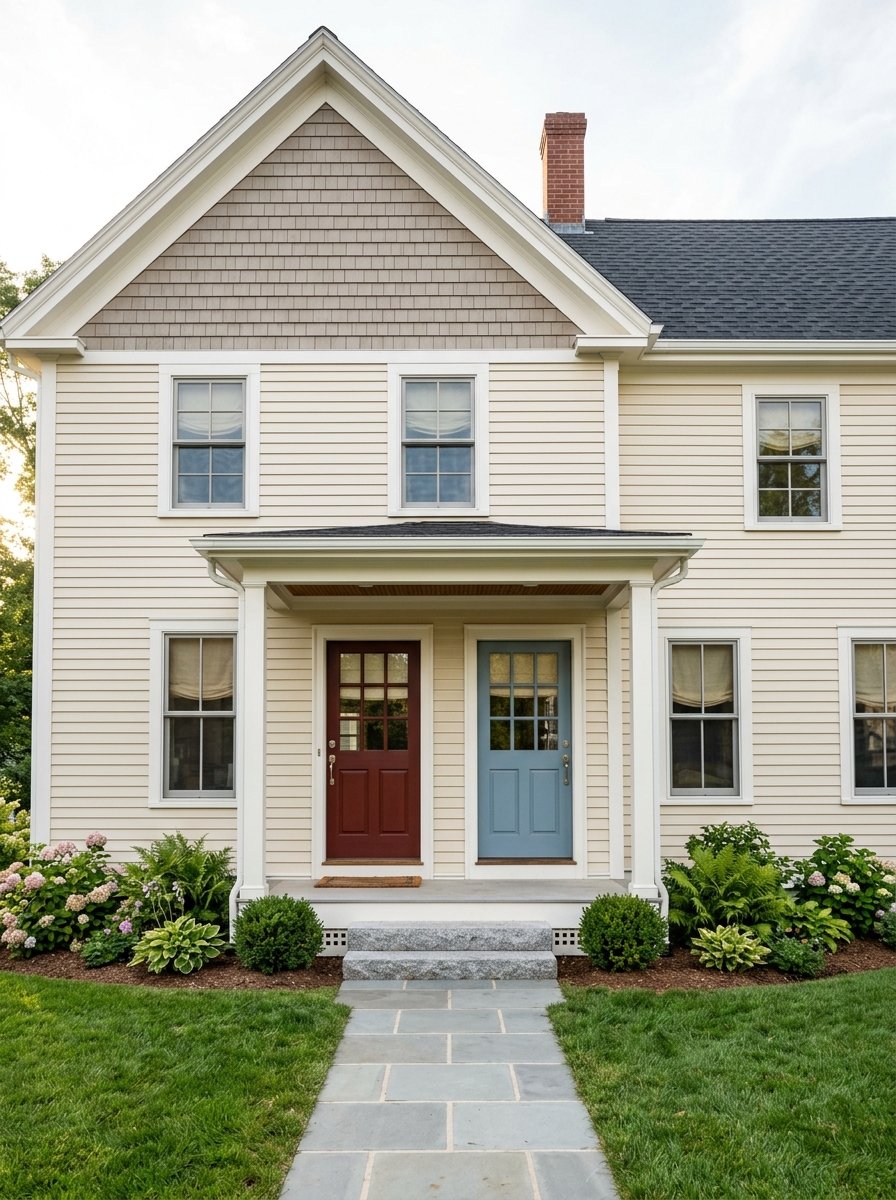
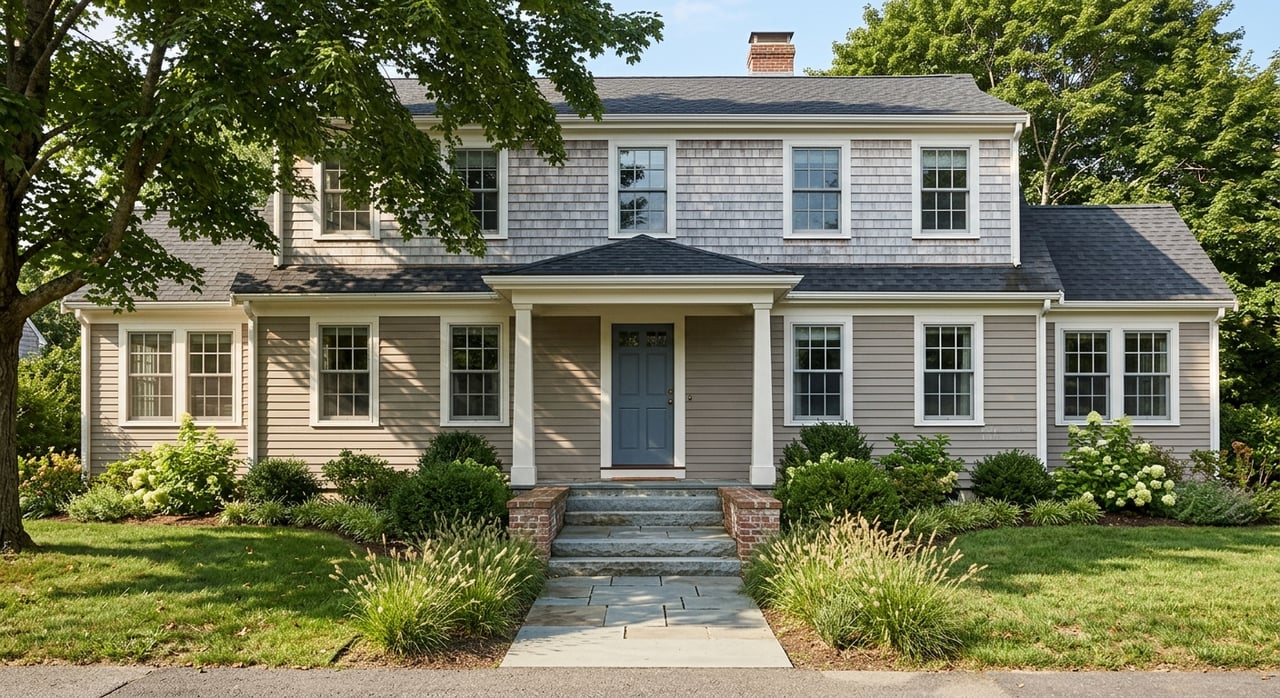
Providence’s standards identify the exterior features that matter most in a local historic district. These include roofs, exterior walls, windows and their openings and trim, doors and entries, porches, steps, stairs, railings, foundations, fences, storefronts, signage, and the overall setting.
Those are not just compliance details. They are also the features that shape first impressions in listing photos, private showings, and buyer feedback. When these elements feel intact and well cared for, they reinforce the authenticity that many College Hill buyers are hoping to find.
As you prepare your home for market, make sure those details are visible, clean, and accurately described. A preserved porch, original window proportions, intact trim, or a strong roofline can be part of the home’s value story when presented clearly.
Providence’s historic district standards favor repair over replacement. When replacement is necessary, the new material should match the old in design, color, texture, and visual qualities. The guidelines also caution against artificial siding and against removing character-defining trim and openings.
That means quick cosmetic shortcuts can hurt more than help. Replacing serviceable wood details with generic vinyl or aluminum may undermine the character that makes the home appealing in the first place. It can also create questions if buyers are looking closely at authenticity and long-term stewardship.
A thoughtful seller approach is usually more effective. Preserve what can be preserved, repair what needs attention, and make replacements carefully when they are truly necessary. In a neighborhood like College Hill, restraint often reads better than over-renovation.
Many sellers worry that buyers will only want fully updated homes. In reality, Providence’s standards recognize that changes required by building, housing, fire, barrier-free access, and lead-paint rules may be necessary. Modern updates are possible, but they should be handled in a way that respects the building and the district.
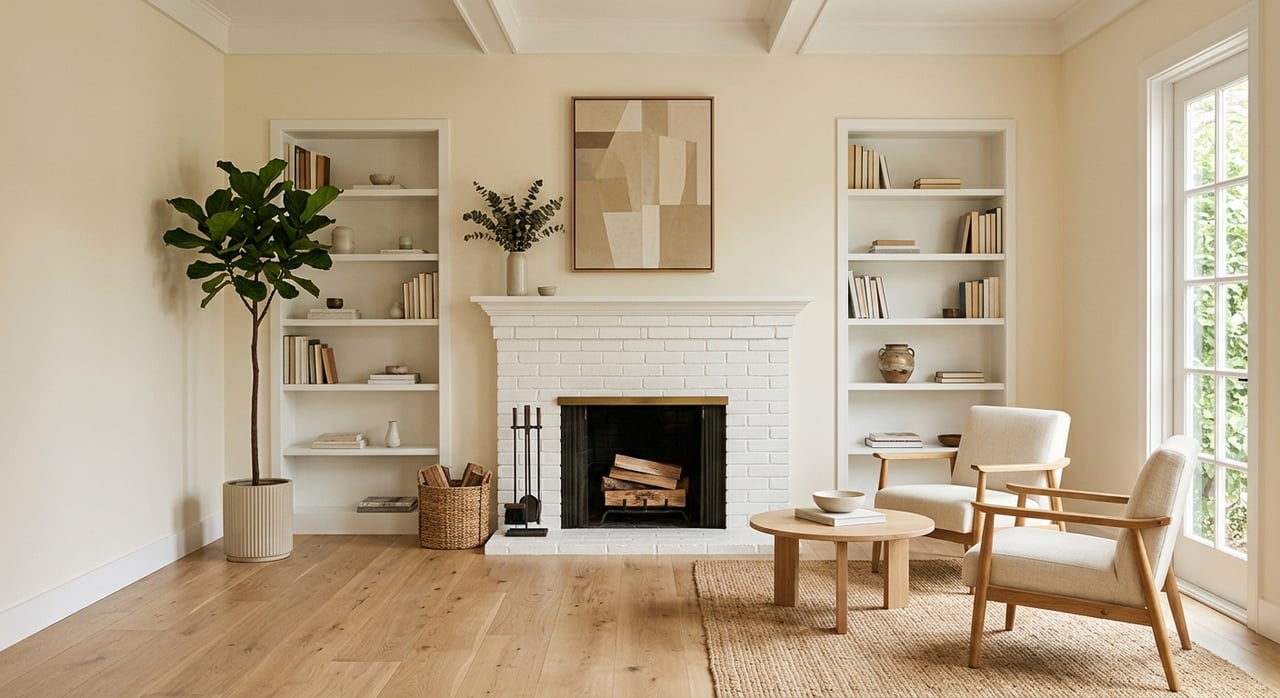
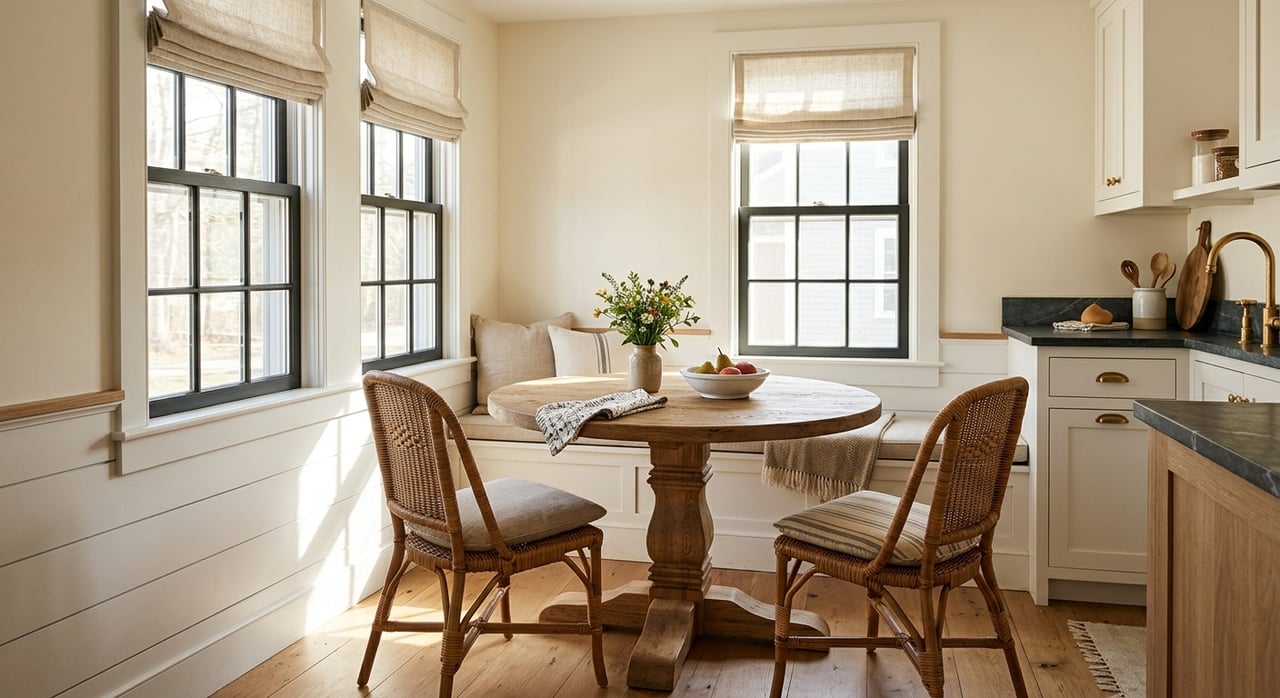
That creates an important marketing opportunity. The strongest College Hill listings often show a careful balance between historic fabric and everyday livability. Buyers tend to respond well when a home retains its original character while also offering thoughtful improvements that support comfort and function.
If your home has code-related upgrades, system improvements, or carefully integrated updates, present them clearly. Buyers usually appreciate knowing that practical work has been done, especially when it was approached with care.
For historic homes, documentation is not just paperwork. It is part of the presentation. Providence’s application process relies on photographs, drawings, written specifications, and related materials to show a project’s impact, and that same type of information can help support your listing.
A well-organized property file can make your home easier to understand. It can help explain the scope of work completed, clarify whether changes were approved, and give buyers a clearer picture of how the property has been maintained. That kind of transparency can be especially helpful when buyers are comparing homes with very different levels of restoration.
If you have records, gather them early. If you do not, now is the time to assemble what you can. Even a simple folder with exterior photos, invoices, material details, and prior approvals can strengthen buyer confidence.
Current market data points to a high-value, low-inventory environment on College Hill, but the numbers vary depending on the source. As of June 2026, Realtor.com reported 22 active listings, a median listing price of $749,000, median days on market of 30, and homes selling approximately at asking on average. Zillow’s June 30, 2026 home-value index placed the average College Hill home value at $990,067, with 13 homes in for-sale inventory.
Those figures do not line up perfectly, and that is not unusual in a small neighborhood with varied housing stock. A restored Federal house, a Victorian with deferred maintenance, and an early 20th-century multi-family property should not be priced from the same logic. Broad averages can provide context, but they should not drive your final strategy.
For a historic home, pricing works best when it is built around property-specific comparables, condition, location within the neighborhood, and the amount of original material retained. In College Hill, nuance matters.
The most effective marketing for a College Hill home is usually tangible and specific. Buyers respond to original masonry or woodwork, intact window proportions, preserved porches and rooflines, thoughtful upgrades, and clear records of approved work. These details do more than sound good in a listing. They help prove that the character of the house is real and maintained.
This is where presentation matters. Professional photography should highlight the architectural elements that define the home rather than crop them out or soften them with overly trendy styling. Your listing description should also be precise, with language that reflects what is actually there.
Generic luxury wording often falls flat in a historic district. A better approach is to show buyers exactly why the home is special and how it has been cared for. On College Hill, substance usually wins.
College Hill’s identity is closely tied to Brown University and RISD, both of which have a longstanding presence in the neighborhood. That context suggests interest from buyers who value architecture, history, design, and a strong sense of place. Some may already know the area well, while others may be drawn to its East Side setting and distinct neighborhood story.
That does not mean every buyer wants the same thing. Some will prioritize original detail. Others will focus on condition, layout, or how updates were handled. The key is to present the home clearly enough that the right buyer can recognize its value.
When your pricing, prep, and storytelling are aligned, you do not need to force the sale. You need to make the home legible to the people most likely to appreciate it.
Selling a historic home is different from selling a standard property. You are managing architecture, local review rules, documentation, presentation, and a buyer pool that often notices details others might miss. That calls for a strategy that is both polished and practical.
A strong plan starts with understanding what should be preserved, what can be improved, and how to present the house honestly and beautifully. It also means avoiding rushed decisions that can weaken the home’s character or complicate the listing process.
If you are preparing to sell on College Hill, thoughtful guidance can make a real difference. For tailored advice on pricing, preparation, and positioning, connect with Christina Rosciti.
Stay up to date on the latest real estate trends.
Whether you have a real estate question, you're thinking about making a move, or you just want to catch up, I'd love to hear from you.