
Preparing Your Lincoln Home For Today's Buyers
July 16, 2026
July 16, 2026
If you are thinking about selling in Lincoln, timing is only part of the equation. Buyers are moving quickly in this market, but that does not mean they overlook clutter, dated finishes, or deferred maintenance. The good news is that you do not need a full renovation to make a strong impression. With the right preparation, you can help your home feel clean, cared for, and easy to picture living in. Let’s dive in.
Lincoln remains a competitive market. Redfin reports a May 2026 median sale price of $446,733, median days on market of 29, a 101.1% sale-to-list ratio, 43.7% of homes selling above list, and 25.6% of homes taking price drops.
That mix tells an important story for sellers. Buyers are active, but they are still comparing value and reacting to condition. In a market like this, strong preparation can help your home stand out early and reduce the chance of buyer objections once your listing is live.
Today’s buyers are often not looking for perfection. They are looking for a home that feels well kept, functional, and easy to move into. That matters even more when buying already feels stressful for many households.
Zillow’s 2025 buyer survey found that the median buyer age was 42, 76% of buyer households had at least one pet, and 60% said buying a home was at least somewhat stressful. In practical terms, buyers tend to respond well to neutral decor, low-odor interiors, easy-clean surfaces, and flexible spaces that do not feel overly personal.
Staging can also shape how buyers experience a home. In NAR’s 2025 home-staging survey, 83% of buyers’ agents said staging made it easier for buyers to visualize a property as a future home.
If you only do a few things before listing, start here. Decluttering and deep cleaning are among the most common seller recommendations because they immediately change how a home feels in person and in photos.
Go room by room and remove anything that makes the space feel crowded. That includes extra furniture, bulky storage bins, overflowing shelves, heavy decor, and personal items that distract from the room itself.
Focus on making each room feel open and simple. Closets matter too. Cleaned-out closets read as useful storage, which buyers notice right away.
A whole-home cleaning should go beyond the basics. Pay special attention to floors, baseboards, windows, light fixtures, bathrooms, kitchen surfaces, and any areas with lingering odors.
Small issues can create big questions for buyers. A dripping faucet, chipped trim, loose hardware, or cracked caulk may seem minor, but together they can make a home feel less cared for.
NAR’s seller guidance emphasizes practical visual fixes like fresh paint, updated pulls, sinks and faucets in kitchens and baths, and improving hardwood floors when appropriate. In many homes, these updates do more to improve buyer perception than a large project with a long timeline.
Walk through your home as if you are seeing it for the first time. If something looks worn, broken, or unfinished, it is worth evaluating before your home hits the market.
You do not need to redesign your home to prepare it well. In fact, the stronger value play is often a simpler one: make the house brighter, cleaner, and more move-in ready.
According to the 2025 Remodeling Impact Report from NAR and NARI, some of the highest cost-recovery projects included a steel front door at 100%, a closet renovation at 83%, and a fiberglass front door at 80%. Realtors also most often recommended painting the whole home, painting one room, and installing a new roof before listing.
That does not mean every seller should replace a roof or take on multiple projects. It does mean that visible, functional improvements tend to land better with buyers than highly customized upgrades.
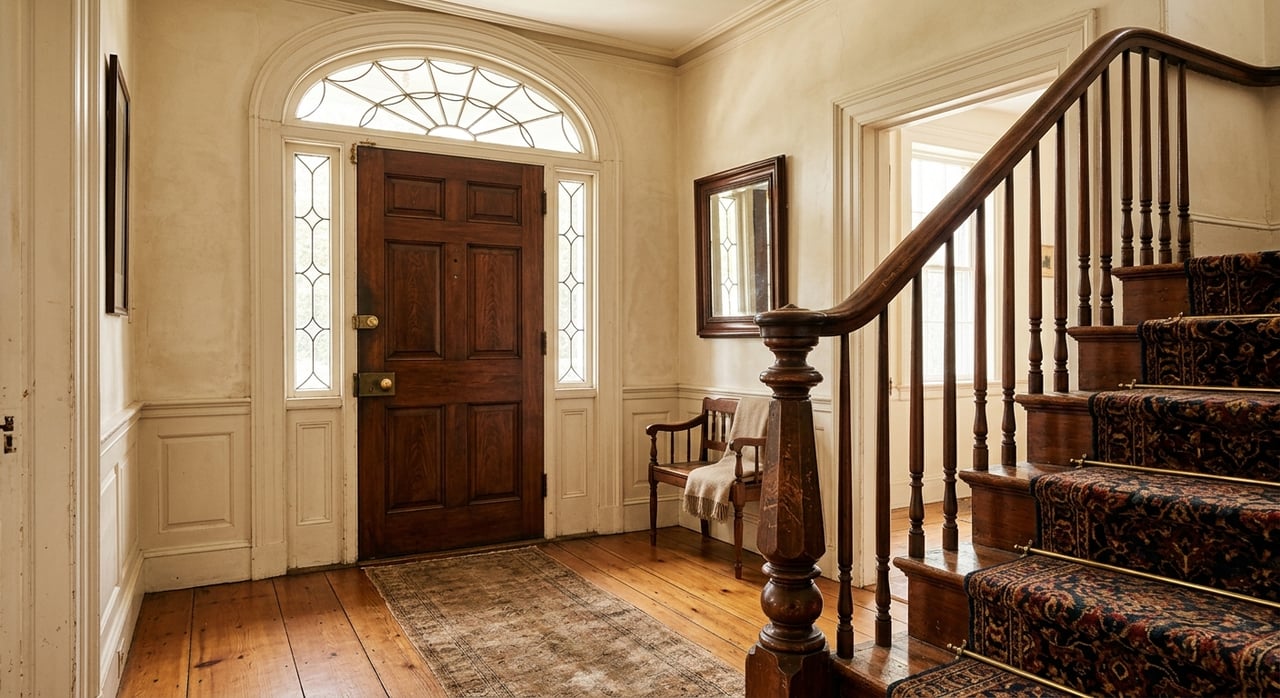
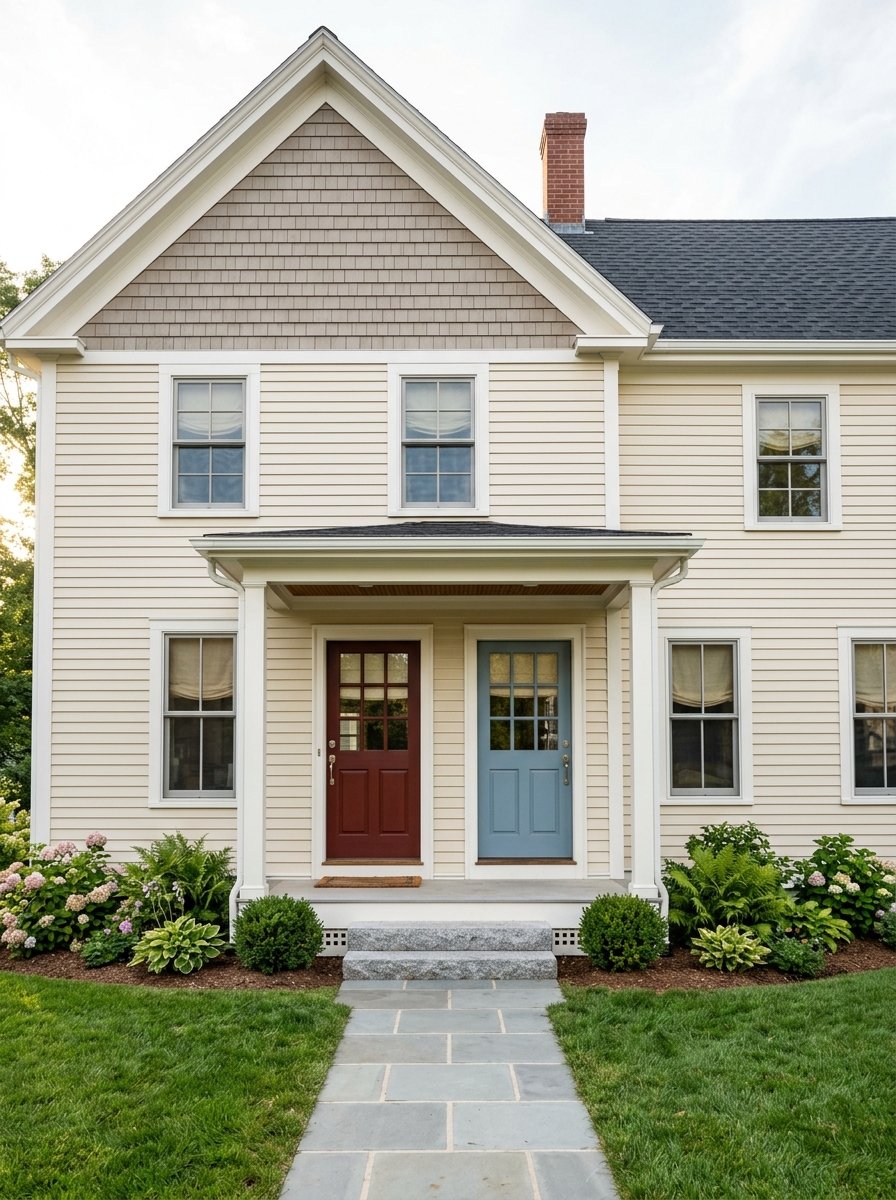
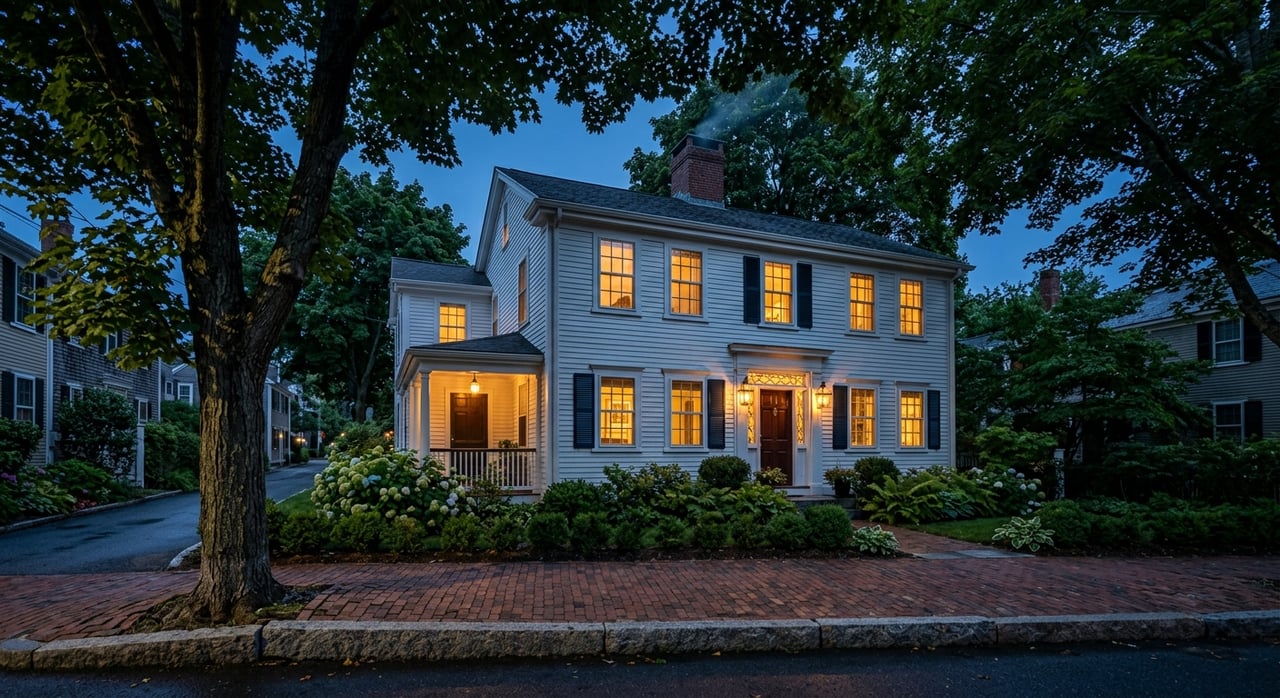
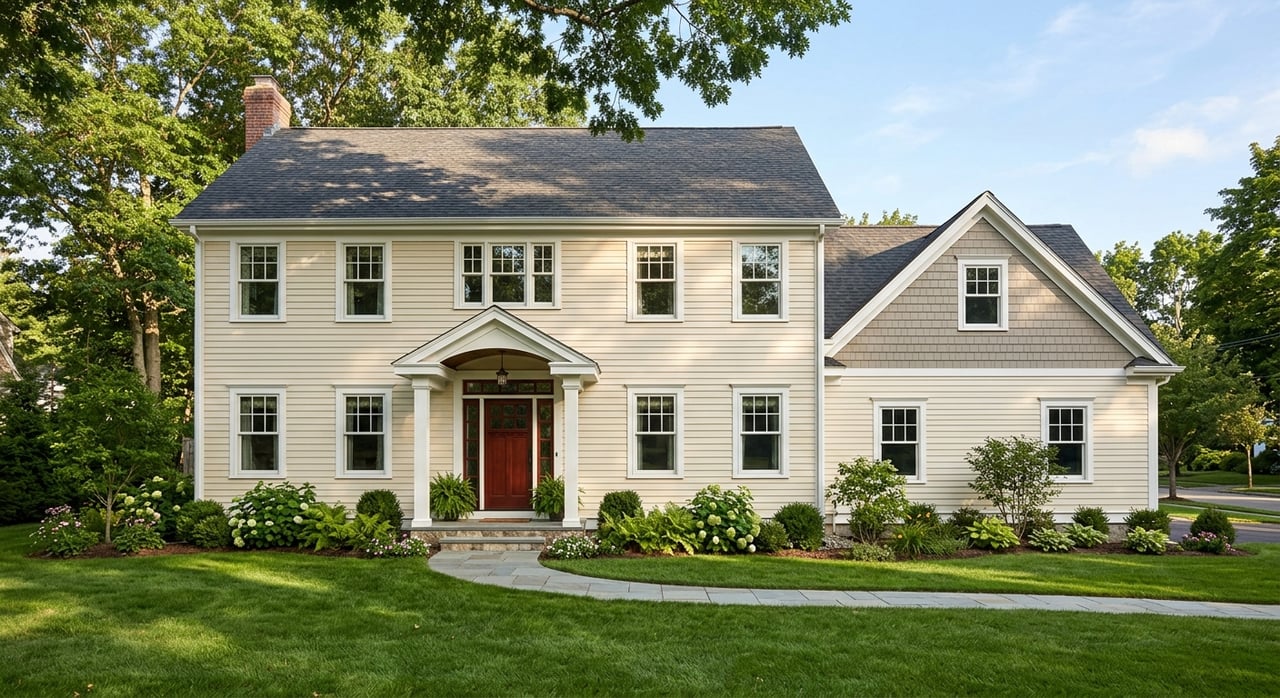
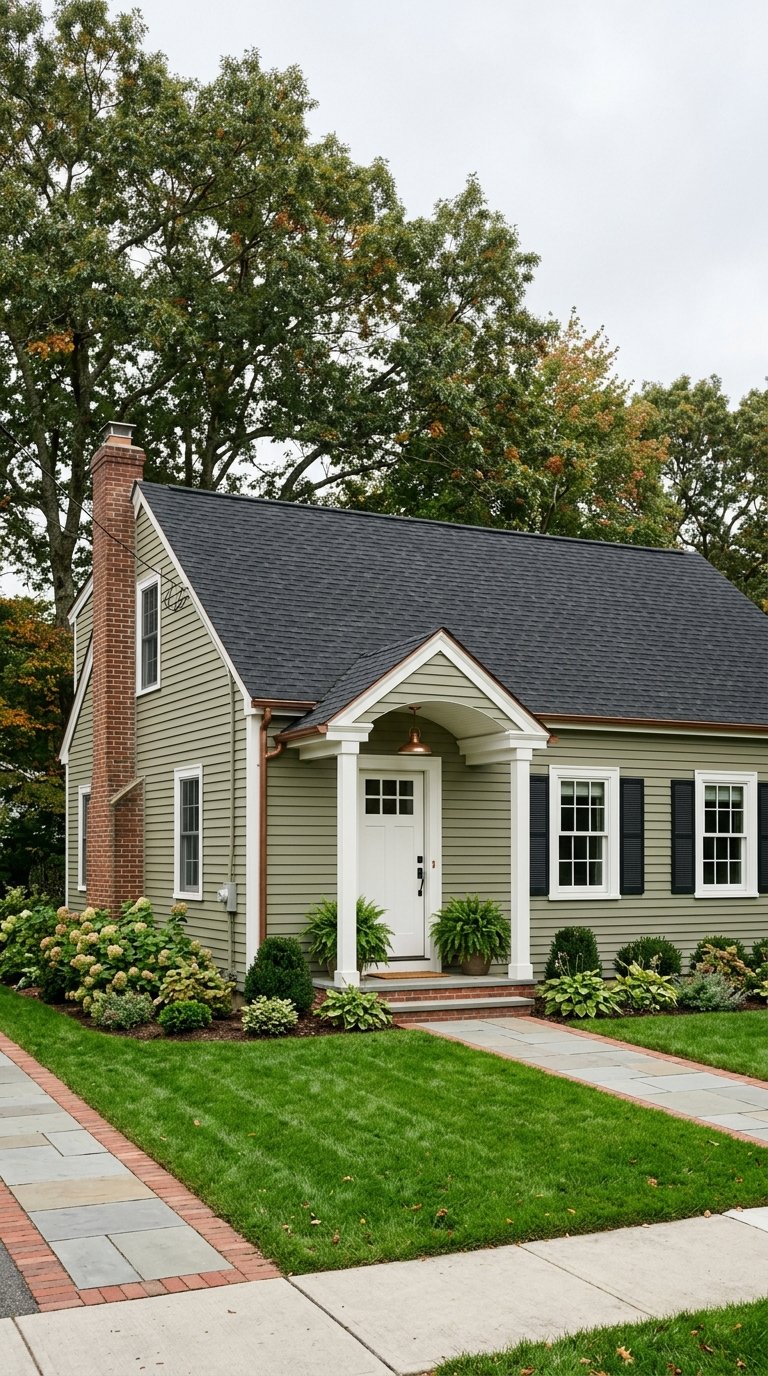
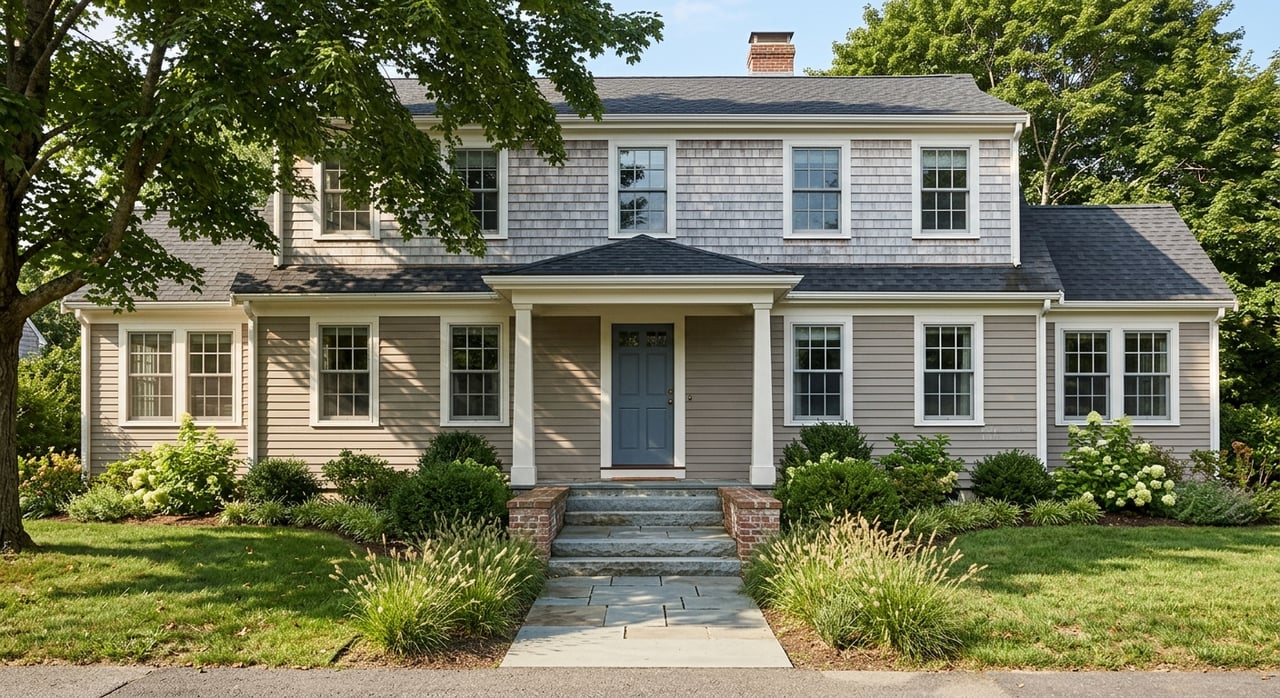
First impressions begin before buyers walk through the front door. Curb appeal can shape how buyers feel about the rest of the showing, and NAR notes that it can raise perceived value by as much as 7%.
The good news is that curb appeal does not have to mean a full landscaping overhaul. Often, the biggest difference comes from simple exterior maintenance and a polished entry.
NAR’s curb-appeal guidance recommends looking at your landscaping, paint, roof, shutters, front door, windows, and house numbers from the street. Then focus on low-effort improvements like mowing, edging, trimming shrubs, mulching beds, and adding exterior lighting.
Staging does not need to be elaborate to be effective. NAR’s 2025 staging report found that even professional staging can be modest in scope, with a median cost of $1,500 for using a staging service.
Just as important, many sellers’ agents said they do not typically hire a stager for every listing. Instead, they recommend decluttering, cleaning, and correcting property faults first.
If you want to prioritize your effort, start with the rooms buyers notice most. NAR’s 2025 staging data points first to the living room, then the primary bedroom, then the dining room. Kitchens also come up often in seller staging conversations.
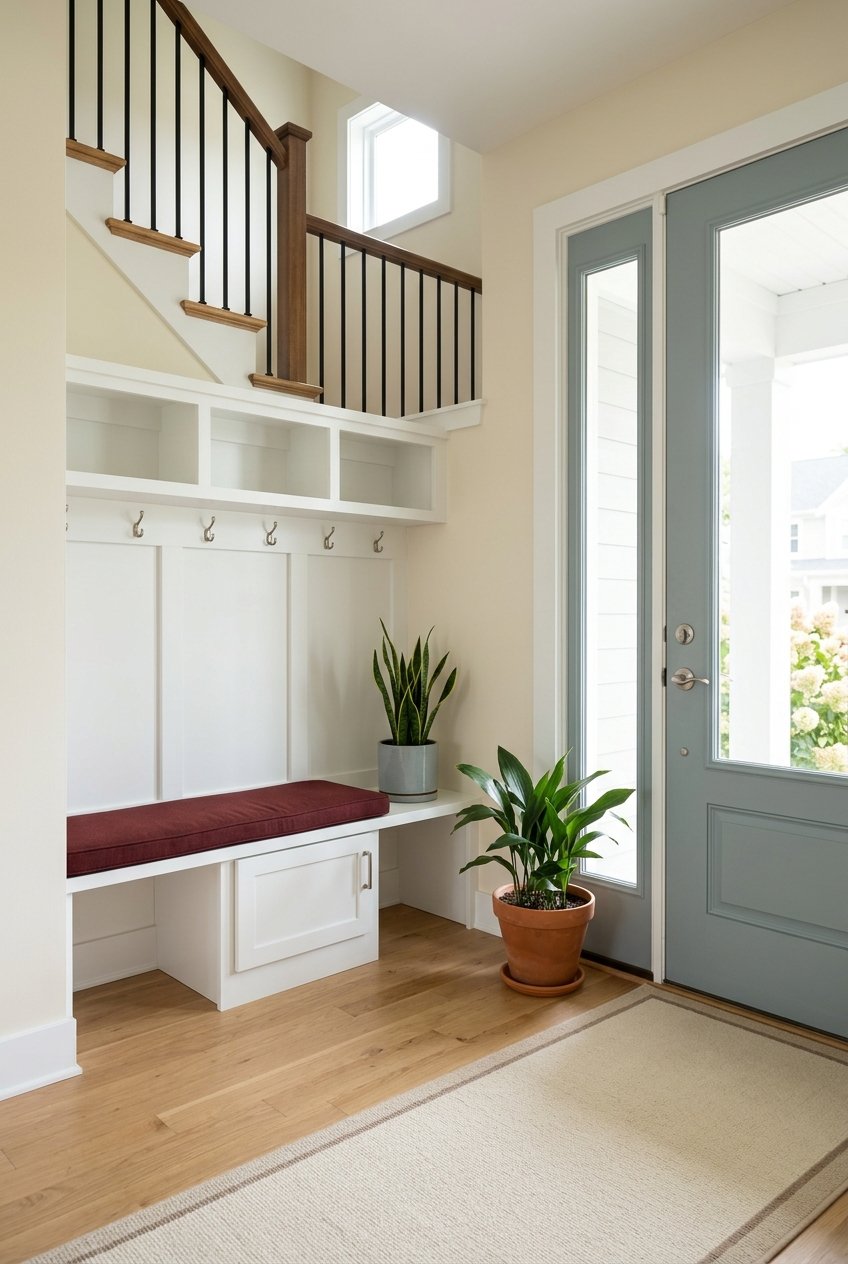
Keep the layout open and easy to understand. Remove extra seating, oversized decor, and anything that blocks natural walking paths.
Aim for calm and simple. Clear nightstands, reduce furniture if the room feels tight, and use clean bedding in light, neutral colors.
Help the space feel purposeful. If the room doubles as storage or an office, simplify it so buyers can clearly see its intended use.
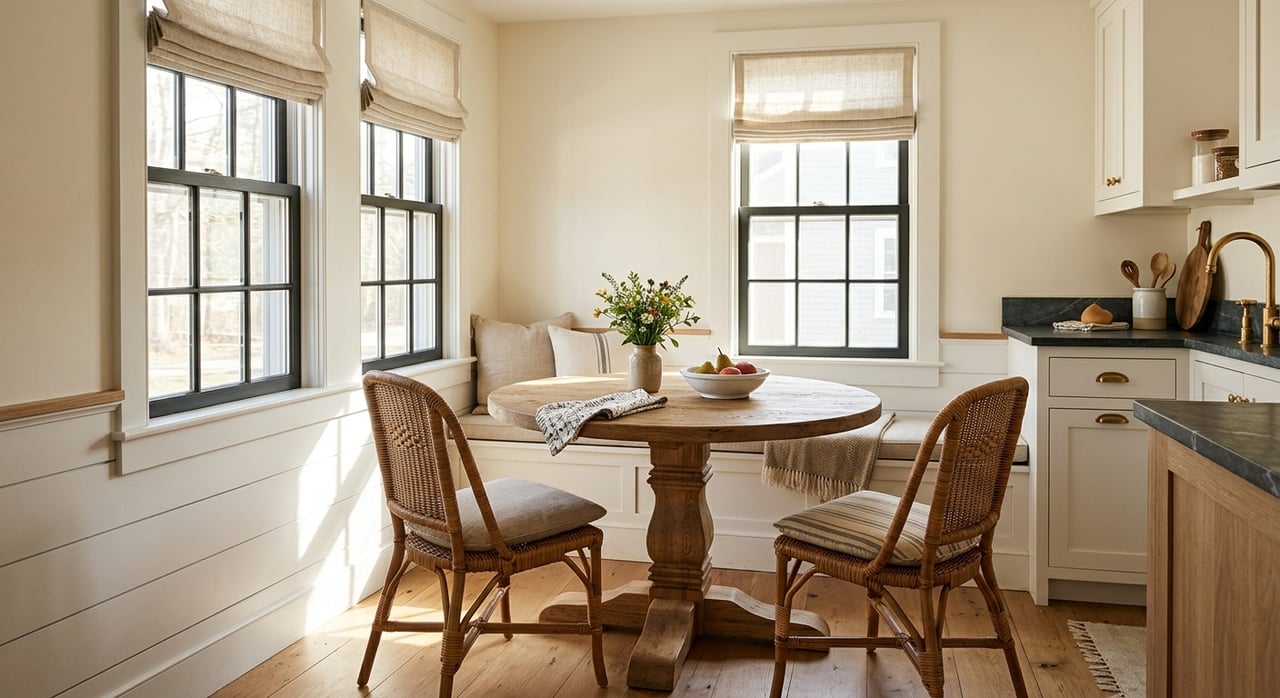
Clear counters as much as possible. Leave only a few useful or decorative items so the space feels clean and functional.
One of the biggest mistakes sellers make is spending too much on projects buyers may not value the same way. Research points away from major, highly customized changes and toward visible, lower- to mid-cost improvements that make the home feel easier to buy.
That is especially true if your taste is very specific. Bold finishes, heavily personalized design choices, or expensive projects with narrow appeal can limit rather than expand buyer interest.
A better goal is broad appeal. Think clean, bright, neutral, and well maintained.
If you are not sure where to begin, use a clear order of operations. This keeps your time and budget focused on what buyers are most likely to notice.
This sequence aligns with what buyers tend to respond to first. It also helps your home photograph better and show more smoothly.
Cosmetic updates matter, but so does preparation behind the scenes. NAR’s pre-list checklist recommends considering a pre-sale home inspection, getting estimates for older big-ticket items like roofs or flooring, and gathering warranties and manuals before listing.
That kind of preparation can help prevent delays later. It may also give you a clearer picture of what should be repaired now, what should be disclosed, and what may come up during negotiations.
In Rhode Island, sellers must provide a written disclosure of known deficient conditions before the purchase agreement is signed. The contract must acknowledge that the disclosure was delivered.
Failing to provide the form does not void the contract, but it can trigger a civil penalty of up to $1,000 per occurrence. If you know about material problems, it is important to address them properly as part of your listing preparation.
For older homes, lead rules may also apply. Sellers of one- to four-unit dwellings built before 1978 must provide the required lead materials, disclose known lead information, include the required warning statement and acknowledgment, and allow a 10-day lead inspection period before the buyer is obligated.
If your prep plans include more than paint and decor, pause before starting work. Lincoln’s Building Department handles building, mechanical, electrical, plumbing, demolition, solar, and zoning applications.
That means projects involving systems, structural changes, or other regulated work should be checked with the town before you assume they are simple cosmetic updates. Over several months of seller prep, permit and disclosure issues can become more important than the finish choices themselves.
If you are selling a condo in Lincoln, your prep list may need a different approach. Under Rhode Island condominium law, a unit owner may not change the appearance of common elements or the exterior appearance of a unit without association permission.
That is why condo sellers should usually focus first on the interior items they control. Paint, lighting, flooring condition, closets, hardware, cleaning, and staging are often the best place to start. Before spending money on any exterior or common-element work, check your association rules.
The best-prepared homes usually share the same qualities. They feel bright, clean, maintained, and easy to imagine living in. That is what helps buyers connect emotionally while also feeling confident about value.
In Lincoln, where the market is active but buyers still react quickly to condition, thoughtful preparation can help you make a stronger first impression and support your pricing strategy from day one. If you want a clear plan for what to update, what to skip, and how to position your home for today’s buyers, Christina Rosciti can help you prepare with confidence.
Stay up to date on the latest real estate trends.
Whether you have a real estate question, you're thinking about making a move, or you just want to catch up, I'd love to hear from you.