Buying A Home In South Kingstown: Lifestyle And Logistics
July 2, 2026
July 2, 2026
If you are thinking about buying a home in South Kingstown, you are really choosing between several different lifestyles, not just one town. Some areas feel village-like and convenient, others are tied to the URI corridor and rail access, and the shoreline pockets bring a more seasonal, water-focused rhythm. If you understand how those pieces fit together before you start touring homes, you can narrow your search faster and make a more confident decision. Let’s dive in.
South Kingstown covers a large area at about 56.37 square miles, so it does not live like a single uniform market. The town had an estimated population of 32,094 in 2025, and the housing profile reflects a strong ownership base, with a 75.4% owner-occupied rate. Census data also shows a median owner value of $560,200, median household income of $108,960, and an average commute of 25 minutes.
For you as a buyer, that means South Kingstown can appeal for very different reasons. You may be looking for a year-round primary home, a second-home retreat near the water, or a place with easier access to URI and regional transportation. The key is matching your daily routine to the right part of town.
One of the biggest mistakes buyers make is treating South Kingstown like one simple map search. In reality, the feel, convenience, and seasonal patterns can shift a lot depending on where you are. That is why lifestyle and logistics need to be considered together.
Wakefield and Peace Dale are the most village-like and service-oriented parts of town. Local planning materials describe these areas as walkable to schools, doctors, shopping, recreation, food markets, entertainment, and the bike path. At the same time, many residents still use a car for larger errands and full shopping trips.
If you want a more established, year-round feel with in-town convenience, these villages often make the most sense. You may also find the strongest blend of historic character and practical daily access here. For buyers who want to be able to step out for coffee, errands, or nearby services, this part of town usually rises to the top.
Kingston is shaped by its historic village core, the University of Rhode Island, and the train station. Local planning documents describe it as a regulated historic residential village with URI as a defining presence, along with some nearby commercial zoning. Those same materials also note traffic congestion and parking challenges around the campus corridor.
For you, this area can be a strong fit if rail access or proximity to URI matters. Kingston and West Kingston offer a strong sense of place, but they can also come with more mixed activity and corridor traffic than some other parts of town. If convenience to the Northeast Corridor is on your list, this sub-area deserves a close look.
The coastal areas offer a very different experience. Local planning documents describe Matunuck as predominantly rural along the south beaches and coastal ponds, with a summer vacation community, small businesses, a town beach, outdoor recreation, and about 1,000 summer beach homes. Green Hill is described as a mix of farmland, forest, low-density residential areas, a dense pond-side seasonal community, a barrier beach, and newer suburban neighborhoods.
Snug Harbor and East Matunuck add a working-harbor and tourism-oriented mix, along with marshes, coastal ponds, and modest commercial uses serving beach traffic. If water access and scenery are your top priorities, these areas may be the best fit. You just want to go in knowing that these submarkets are generally more seasonal and often require more property-specific due diligence.
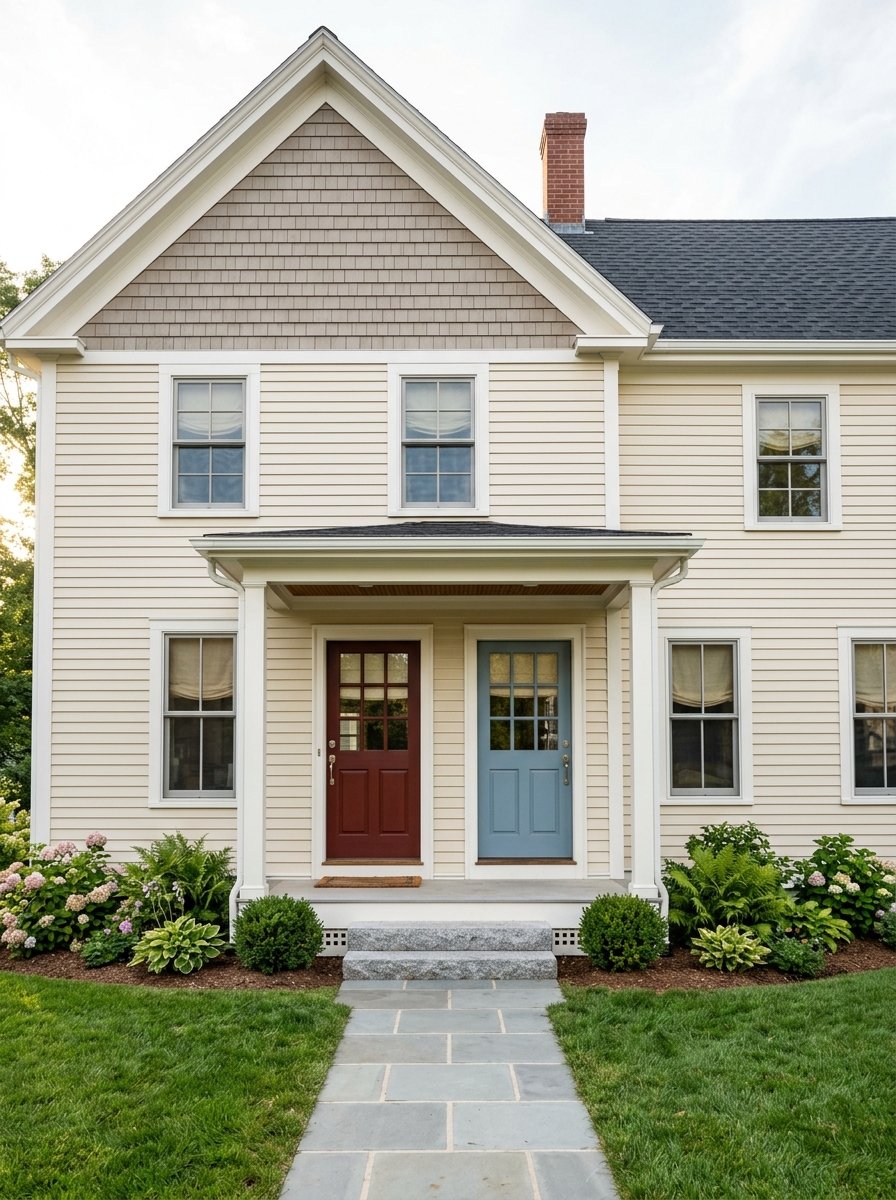
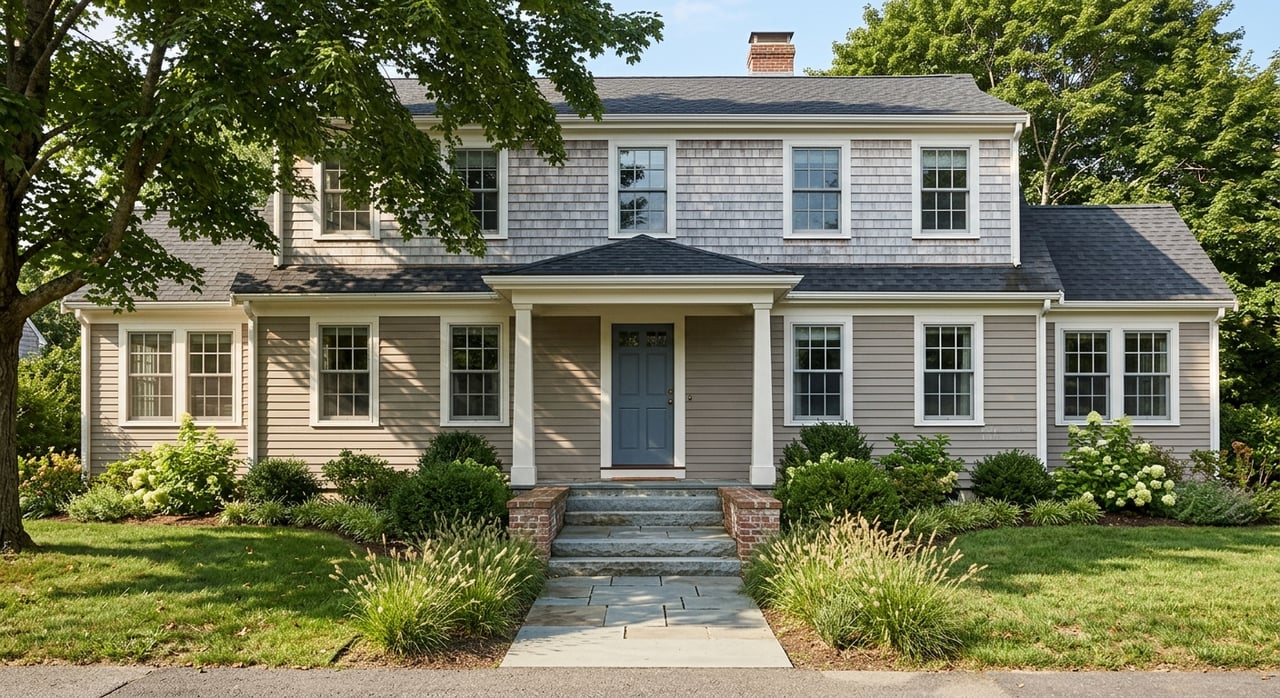
South Kingstown’s housing stock is more mixed than many buyers expect. Town planning documents describe an eclectic mix of historic structures, post-World War II homes, and newer subdivisions, with single-family homes as the dominant housing type. That variety can be a real advantage if you want options across style, age, and setting.
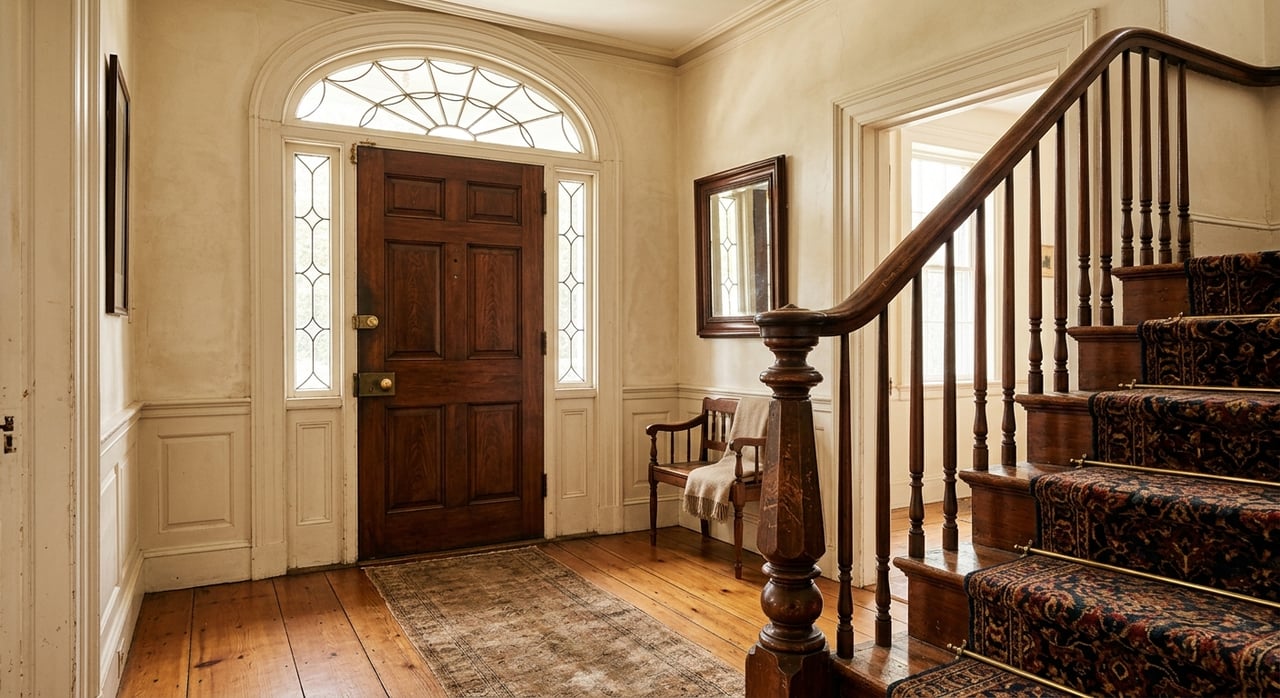
It also means two homes with similar square footage can offer very different maintenance profiles and improvement needs. A historic village home may offer charm and location, while a newer subdivision home may offer a more straightforward systems and layout package. This is where construction-informed guidance can be especially useful when you are weighing value beyond the listing photos.
South Kingstown remains competitive, but the market does not move at the same pace in every segment. Realtor.com reported a May 2026 median listing price of $754,950, about 101 homes for sale, and a median of 29 days on market. Redfin reported a three-month median sale price of $651,610 and 35 days on market for homes sold through May 2026.
Those numbers do not conflict as much as they show variation. Listing prices, sale prices, and speed can shift based on location, condition, and whether a property is turnkey or needs work. In practical terms, the most desirable village homes and well-positioned coastal properties may still attract fast interest, while other homes may trade with more room for negotiation.
In a market like this, speed matters, but so does selectivity. Realtor.com described South Kingstown as a seller’s market in May 2026, while Redfin characterized the area as very competitive, with many homes receiving multiple offers and some waiving contingencies. That does not mean every listing will behave the same way.
For you, the smarter approach is to study the specific sub-area and property type before deciding how aggressive to be. A polished beach-adjacent home may draw quick attention, while an older home with more obvious project needs may have a different negotiation window. Preparation, local context, and a realistic sense of value are often more important than just offering the highest number right away.
A home can feel perfect on tour and still be the wrong fit if the day-to-day logistics do not work for you. In South Kingstown, transportation, seasonality, and property rules all deserve a place in your home search. These details can shape your experience as much as finishes or square footage.
Town planning documents note that seasonal homes make up 17.5% of total housing units, and coastal districts are specifically described as summer-vacation or tourist-serving areas. That matters because a neighborhood can feel very different in July than it does in November. Traffic, activity levels, and buyer competition often change with the season.
If you are shopping near the shoreline, try to picture how the area functions both in peak summer and in the off-season. Matunuck and Green Hill are generally more seasonally sensitive than Wakefield, Peace Dale, or Kingston. That does not make them better or worse, but it does affect how you should evaluate convenience and rhythm.
South Kingstown gives you more transportation options than some buyers expect. RIPTA lists routes 64, 65x, 66, and 69 in town, along with flex service 203. The Kingston Amtrak station sits on the Northeast Corridor and is served by the Northeast Regional.
For commuting, the right location depends on how you move through your week. Kingston and West Kingston are the strongest fit for rail access, while Wakefield and Peace Dale are generally stronger for bus convenience and village services. If you work remotely part of the week and travel the rest, that distinction can be important.
If you are buying near the water, your checklist should go beyond price, layout, and condition. The town’s Building Inspection and Zoning resources direct owners to FEMA flood maps, septic records and resources, dock information, CRMC assent materials, and floodplain guidance. Those are not small details when you are evaluating long-term ownership.
If you plan to use a property as a second home or rental, local rules matter too. The same town page states that rental properties must be registered in South Kingstown. In other words, shoreline ownership often involves more moving parts, so your search should account for both lifestyle appeal and practical obligations.
The best place to buy in South Kingstown depends on how you want to live. If you want the most walkable, service-oriented environment, Wakefield and Peace Dale are usually the first places to explore. If you want campus adjacency or easier rail access, Kingston and West Kingston tend to make the most sense.
If your vision centers on beaches, ponds, boating access, or a second-home feel, the coastal villages may be the better match. The tradeoff is that you may be taking on more seasonality and more due diligence. The goal is not to find the “best” area in general, but the best fit for your routine, budget, and goals.
Buying in South Kingstown is easier when you look past the town name and focus on how each area actually functions. A village home, a URI-adjacent property, and a coastal retreat can all exist in the same town while offering very different ownership experiences. When you understand that early, you can shop with more clarity and avoid expensive guesswork.
If you want local guidance that blends market strategy with a sharp eye for property condition and long-term value, Christina Rosciti can help you make a confident move in South Kingstown.
Stay up to date on the latest real estate trends.
Whether you have a real estate question, you're thinking about making a move, or you just want to catch up, I'd love to hear from you.