Smithfield Investment Property Guide For Small Investors
July 9, 2026
July 9, 2026
If you are thinking about buying an investment property in Smithfield, the numbers deserve a closer look. This is not the kind of market where you can rely on a quick online estimate and hope the deal works out. You need a clear view of pricing, rent potential, and Rhode Island rules before you commit. Let’s break down what small investors should know in Smithfield.
Smithfield is a suburban town in Providence County with 22,118 residents across 26.6 square miles. It is a heavily owner-occupied market, with 81.6% of homes occupied by owners, which gives the town a more residential feel than a renter-dense investment market.
That owner-occupied profile matters if you are investing here. It usually means fewer obvious rental opportunities, stronger competition from buyers who plan to live in the home, and a market where location and property condition can make a big difference.
Smithfield is not a low-entry-price market. Census data for 2020 through 2024 shows a median owner-occupied home value of $446,400, while more recent market data points even higher.
Redfin reported a median sale price of $504,698 in May 2026, with homes spending a median of 25 days on market. Zillow placed the typical home value at $524,188, with a median list price of $549,950 and homes going pending in around 10 days.
Taken together, those numbers suggest a competitive market with a meaningful cost to get in. For a small investor, that means your margin for error is smaller, so careful underwriting matters.
On the rental side, Zillow's late June 2026 market data showed an average rent of $2,150 across property types in Smithfield. Compared against Zillow's typical home value, that works out to a rough gross annual rent-to-value ratio of about 4.9% before taxes, insurance, maintenance, vacancy, and repairs.
That is not a final return calculation, but it is a useful reality check. Smithfield looks more like a selective cash-flow market than a high-yield market, so investors should be especially careful not to overestimate rent or underestimate expenses.
Smithfield benefits from several steady demand drivers. The town's principal employers include Fidelity Investments, Bryant University, and the Town of Smithfield, and the local economy also connects well to nearby job centers.
The town is easily accessed by I-295 and U.S. Route 44. It is also about 10 minutes from Providence and about 50 minutes from Boston, which supports demand from commuters and residents who want suburban living with regional access.
Fidelity remains a major part of the local employment picture. The company has a large Smithfield campus across from Bryant University, and the state announced 500 additional jobs there in 2021.
Bryant University also adds rental demand, but it is important to keep that demand in perspective. Bryant's campus covers 465 acres in Smithfield, and 85% of undergraduates live on campus, so off-campus rental demand may be more limited and selective than in a college town where most students live nearby.
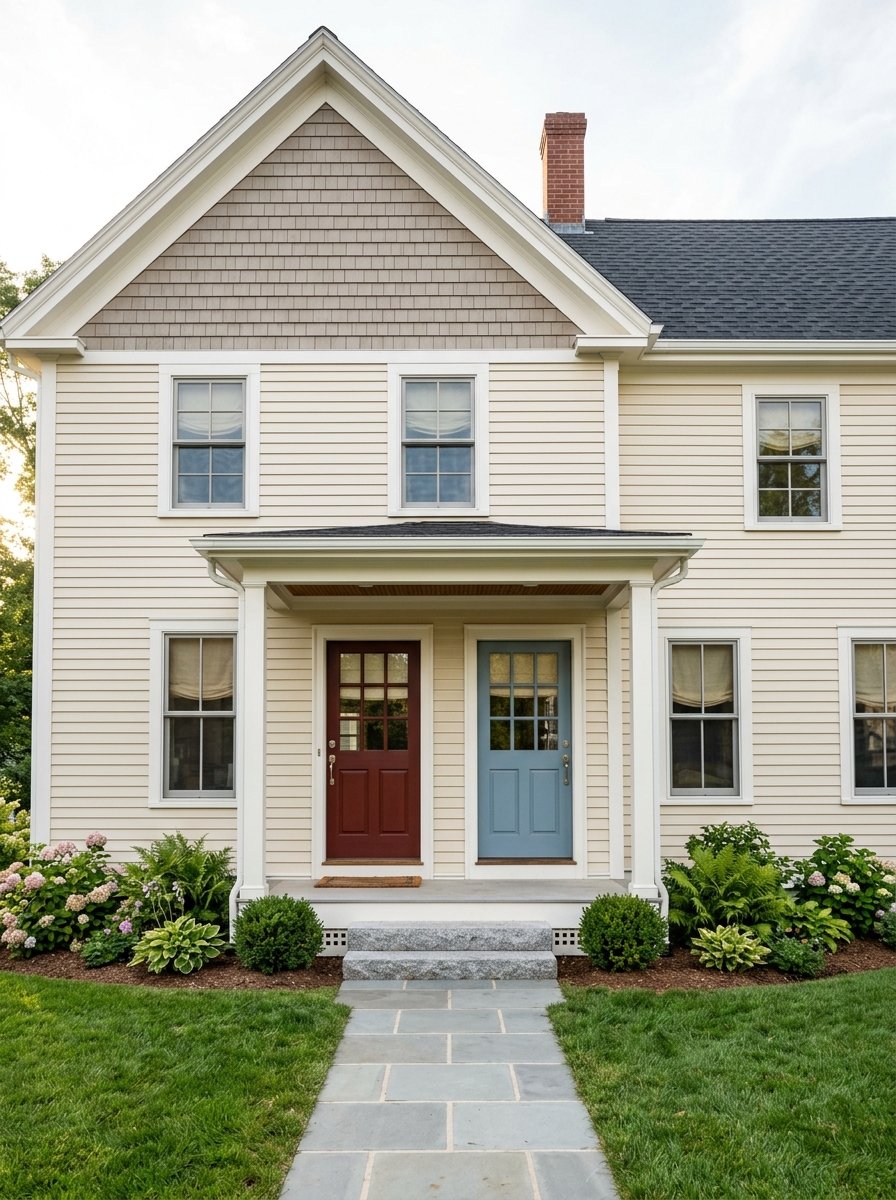
Small investors in Smithfield may find opportunities across several property types. Public listing pages show detached homes, condos, townhomes, and duplex or triplex inventory in town.
That mix creates a few possible paths depending on your goals:
In Smithfield, rentability often comes down to location, parking, layout, and convenience. Properties near Bryant, Fidelity, and the I-295 or U.S. 44 corridor may attract more attention from renters who want an easy commute and a simple day-to-day setup.
In a market like Smithfield, the biggest mistake is buying based on broad averages alone. Average rent and average value can help you screen a deal, but they should not be your full investment plan.
Start with live rent comparisons for similar properties. A renovated condo, an older duplex, and a detached home may all perform very differently even if they sit in the same town.
You should also pay close attention to monthly carrying costs. In a market where gross yield already looks modest, taxes, insurance, maintenance, and vacancy can quickly change whether a property feels sustainable.
A simple checklist can help:
Value-add opportunities can still exist in Smithfield, but the renovation plan needs discipline. Because pricing is already high and rent ceilings are real, updates should improve rentability without creating a budget that the market cannot support.
In many cases, the best strategy is a focused scope of work. Think about improvements that help a property rent cleanly and show well, such as layout efficiency, updated finishes, easier upkeep, and practical improvements that make daily living simpler.
Rhode Island buyers who plan to owner-occupy may also explore financing options through RIHousing, which offers first-time homebuyer mortgage programs, down payment and closing-cost assistance, homebuyer education, and renovation financing such as FHA 203(k). Its Extra Assistance program currently provides up to $20,000, and some products apply to 1 to 4 family homes or condominiums with primary-residence occupancy required.
That occupancy requirement is important. If your plan depends on owner-occupant financing or rehab financing, you should confirm eligibility with your lender before you write an offer.
Property taxes can have a real impact on investment performance in Smithfield. The town's FY2026 residential tax rate is $12.36 per $1,000 of assessed value, while the commercial rate is $18.58.
For small investors, this is not a line item to gloss over. In a market where the spread may already be tight, the actual tax bill can materially affect your monthly numbers.
Always underwrite using the current assessment and tax bill for the specific property. A deal that looks fine on a rough spreadsheet can feel very different once real tax costs are plugged in.
If you plan to rent out property in Smithfield, Rhode Island compliance rules are a major part of the job. The state now requires all landlords to register rental properties with the Department of Health.
New owners or landlords must register within 30 days of acquisition or leasing, and annual re-registration is due by October 1. If the property was built before 1978, it also needs a valid lead certificate.
This is especially important for older homes, duplexes, multifamily properties, condo rentals, and house-hack situations. If you are buying an older property, you should understand these requirements early, not after closing.
The state's 2024 Landlord Tenant Handbook also outlines landlord and tenant rights and duties under Rhode Island law, along with fair housing and lead-hazard rules. For many small investors, it makes sense to involve a Rhode Island attorney early, especially if you are buying older housing, drafting a lease, or planning to combine owner-occupancy with rental income.
Smithfield can make sense for the right small investor, but usually not for someone chasing easy cash flow. It is better suited to buyers who want a stable suburban market with solid employment anchors, commuter access, and a selective rental profile.
You may find the best fit here if you are looking for one of the following:
The key is buying with discipline. In Smithfield, the strongest investment decisions usually come from careful math, realistic rent expectations, and a clear plan for compliance and upkeep.
If you want help evaluating a Smithfield investment property with a local eye for layout, condition, and long-term value, Christina Rosciti can help you approach the process with clarity and confidence.
Stay up to date on the latest real estate trends.
Whether you have a real estate question, you're thinking about making a move, or you just want to catch up, I'd love to hear from you.