Is Cranston RI Right for First-Time Homebuyers?
June 4, 2026
June 4, 2026
Wondering if Cranston could be the place where you buy your first home? You are not alone. For many first-time buyers, Cranston sits in that interesting middle ground: close to Providence, broad in housing choice, and still varied enough that your experience can feel very different depending on where you look. In this guide, you will get a practical look at prices, housing types, commuting, ownership costs, and the tradeoffs that matter most so you can decide if Cranston fits your goals. Let’s dive in.
Cranston gives you a mix that can be hard to find in one city. It is Rhode Island’s second-largest city, sits just south of Providence, and combines more built-up eastern areas with more open, lower-density land use in the west. That variety matters when you are buying your first home because your budget, commute, and maintenance comfort level may all point you toward a different part of the city.
There is also a strong ownership base here. ACS 2024 data puts Cranston’s population at 84,445, with 67.3% of homes owner-occupied. That does not make the market easy, but it does suggest a city where homeownership is a meaningful part of the local housing picture.
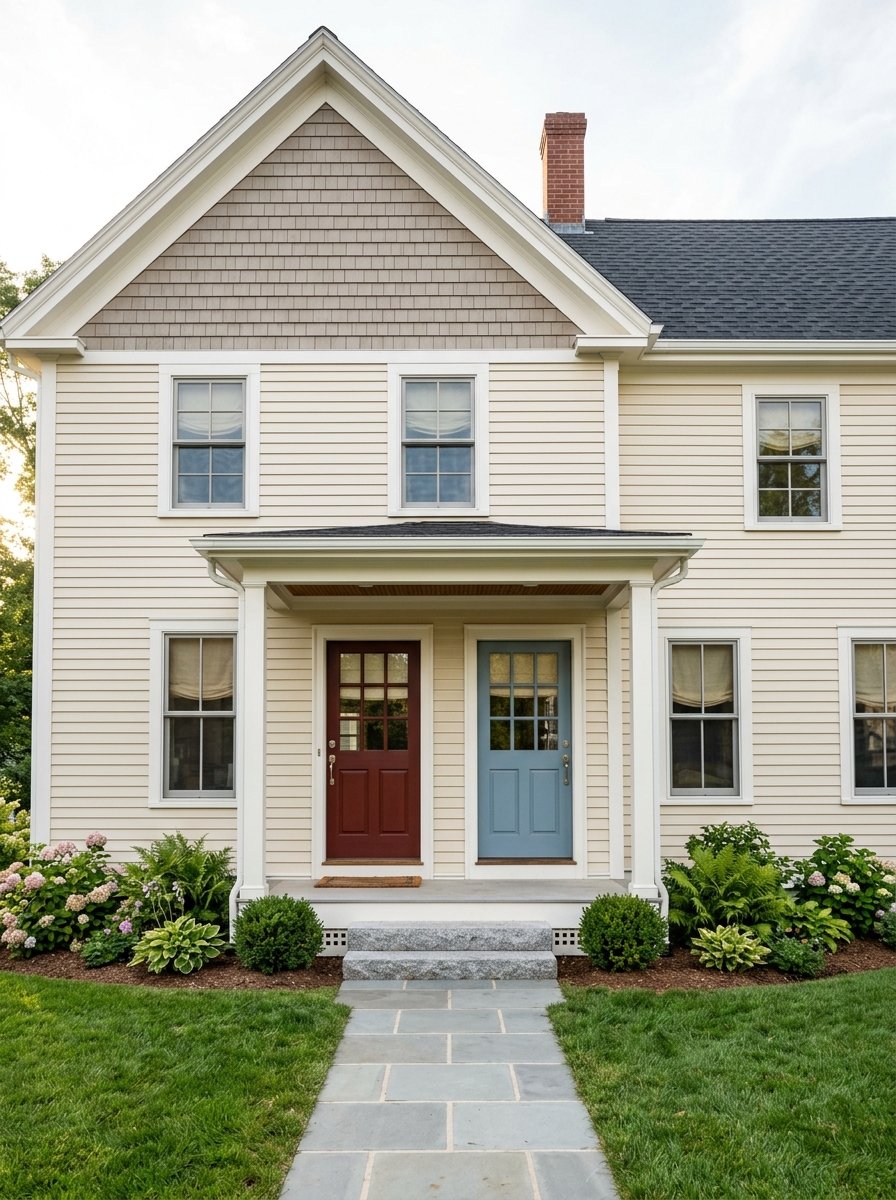
One of Cranston’s biggest strengths for first-time buyers is that it is not just a single-family market. The city’s 2025 Integrated Housing Report lists 33,834 housing units, including 22,207 single-family homes, 3,896 two-family properties, 2,360 three- and four-family properties, and 5,302 multifamily units. There are also 69 mobile homes.
That range gives you more than one path into ownership. If a detached home feels out of reach, a condo or multifamily option may open the door sooner. If you want to live in one unit and rent out another, Cranston has enough small multifamily inventory to make that a real part of the conversation.
Cranston is not one-size-fits-all. City planning documents describe eastern Cranston as more densely developed, while land west of I-295 is more associated with open space, agricultural uses, and single-family residential patterns. In practical terms, that often means your home search will feel different depending on what you value most.
If you want older housing stock, closer-in streets, and easier access toward Providence, east and central Cranston may be where you start. If you want more yard space, quieter residential patterns, or newer detached homes, west Cranston may feel like a better fit. These are not hard rules, but they are useful patterns when you are trying to narrow your search.
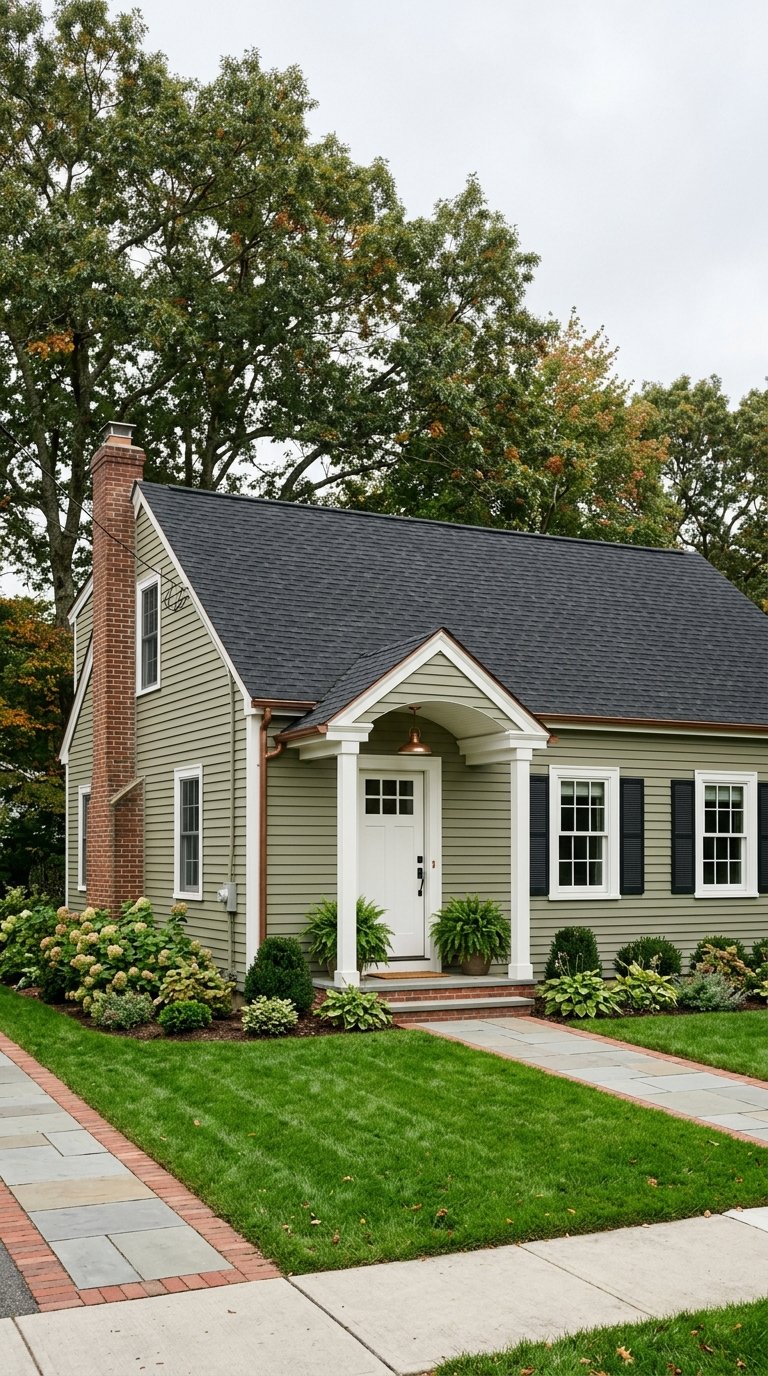
Cranston also offers areas with older housing and a more established neighborhood feel. The city’s historic materials describe Oaklawn Village as having modest one-and-a-half-story houses and a largely residential character, and Edgewood is also identified as a local historic district. For a first-time buyer, that can mean charm and character, but it can also mean more upkeep, more repair questions, and a closer look at systems and improvements.
This is where having practical guidance matters. If you are considering an older home, you want to look beyond curb appeal and understand condition, maintenance history, and what future updates may cost.
Cranston is not a low-cost market, and that is important to say clearly. ACS-based estimates put the median value of owner-occupied homes in Cranston at $415,200, compared with a statewide median of $455,700. That suggests Cranston sits somewhat below the statewide median on that measure.
At the same time, current market pricing is running higher. Redfin reported a citywide median sale price of $499,900 in March 2026 and described the market as very competitive. For you as a first-time buyer, that means Cranston may still be more attainable than some buyers expect, but it is also a market where preparation matters.
In a very competitive market, affordability is not just about the list price. It is also about how quickly homes move, how strong your financing looks, and how ready you are to make a decision. If you need time to compare every option slowly, Cranston may feel stressful.
If you come in preapproved, clear on your budget, and realistic about tradeoffs, you will be in a much better position. The buyers who do best in competitive markets usually know what matters most to them before the right home appears.
For a first-time buyer, monthly cost is often the real decision-maker. In Cranston, property taxes are a key part of that equation. The city’s 2025-2026 tax rates list $13.88 per $1,000 for 1- to 5-unit family dwellings and residential vacant land.
That means two homes with similar prices can still feel different once taxes are factored in. It also makes it important to understand how a property is classified when you compare a condo, a small multifamily, or a detached home. Looking only at purchase price can give you an incomplete picture.
If your biggest concern is cash needed upfront, Cranston has programs worth knowing about. The city’s Community Development department offers down-payment assistance up to $5,000 and closing-cost assistance up to $3,000 for income-eligible first-time buyers purchasing in the city. Those funds come with published requirements, including HUD-approved homebuyer education, income eligibility, a five-year owner-occupancy commitment, and lead-safe certification before funds are released.
Statewide programs may also expand your options. RIHousing currently advertises Extra Assistance for eligible first-time buyers with up to 6% of the purchase price or $20,000, 15kDPA with $15,000, and FirstGenHomeRI with $25,000 for first-generation buyers. RIHousing notes that these programs can apply to 1-4 family homes or condominiums in Rhode Island.
Buyer assistance does not automatically make a home affordable, but it can change how you structure your budget. It may help preserve savings for inspections, moving costs, repairs, or reserves after closing. For first-time buyers, that flexibility can make ownership feel much more manageable.
It can also widen the type of home you consider. A small multifamily, condo, or modest detached home might all become more realistic depending on your eligibility and financing plan.
Cranston tends to work best if you expect to drive. The city’s transportation chapter reports that 86% of commuters use a car, truck, or van, 76% drive alone, 2% use public transportation, 2% walk, and 8% work from home. ACS-based estimates put the mean travel time to work at 24.3 minutes, slightly below the state average.
That profile makes Cranston a strong fit for buyers who want highway access and regional convenience. If your routine depends on a transit-first lifestyle, the city may feel less seamless day to day.
Cranston is well connected by I-95, I-295, Route 10, and Route 37. The city notes that Route 10 serves much of eastern Cranston, while I-295 and Route 14 are more direct approaches to the western half. That kind of road network is one reason Cranston remains appealing to buyers who want access to Providence and other nearby communities.
One practical note: RIDOT reports lane shifts through 2026 on I-95 at Route 10 in Cranston due to road work. If commute timing is a major factor for you, that is worth building into your home search and daily expectations.
Cranston is not transit-free. RIPTA serves the city with routes including 20, 21, 30, 31, and 89. There is also seasonal Beach Service from Cranston to South County beaches, which can be a nice lifestyle bonus if you want the option of an occasional car-light outing.
Still, transit here works more as a supplement than the center of daily life. Most first-time buyers will want to think about driving routes first and bus access second.
Cranston can appeal to buyers because it offers a little bit of everything. The city describes itself as a suburban community with 3.5 miles of shoreline on Narragansett Bay, major shopping and dining areas like Garden City Center and Chapel View, and a blend of denser eastern neighborhoods and more open western areas. That range gives you flexibility, but it also means you need to be specific about what you want.
Ask yourself a few simple questions:
If you answer those honestly, Cranston becomes much easier to evaluate. It is often a strong middle-ground option for buyers who want more space than Providence but still want practical access to the city.
No market is perfect, and Cranston comes with a few practical caution points. Some eastern and central areas are flagged in the city’s 2025 consolidated-plan materials as flood-prone, including Lower Eden Park, Meshanticut, Parkview, and Auburn. That does not mean you should rule out those areas, but it does mean you should verify flood maps, insurance costs, and inspection scope early.
Older housing stock is another important consideration. Because the city’s first-time buyer assistance rules require a lead-safe certificate before funds are released, buyers looking at older homes should be especially mindful of lead-related requirements and property condition. This is one more reason to look at the total ownership picture, not just the asking price.
Cranston may be the right fit if you want options. It offers a broader housing mix than many buyers expect, practical access to Providence, and enough variety that you can target either a closer-in, older home or a more detached suburban setting. For the right buyer, that flexibility is a real advantage.
It may be a tougher fit if you need a bargain market, depend heavily on transit, or want a slow-moving search with lots of room to negotiate. With a March 2026 median sale price of $499,900 and a very competitive market, first-time buyers need to be well prepared. But if you value location, housing variety, and long-term livability, Cranston is absolutely worth serious consideration.
If you are trying to sort through Cranston versus Providence, Warwick, or another nearby town, the best next step is to compare your budget, commute, and home type priorities against what the city actually offers. If you want thoughtful guidance on where Cranston fits into your Rhode Island search, Christina Rosciti would be happy to help.
Stay up to date on the latest real estate trends.
Whether you have a real estate question, you're thinking about making a move, or you just want to catch up, I'd love to hear from you.